
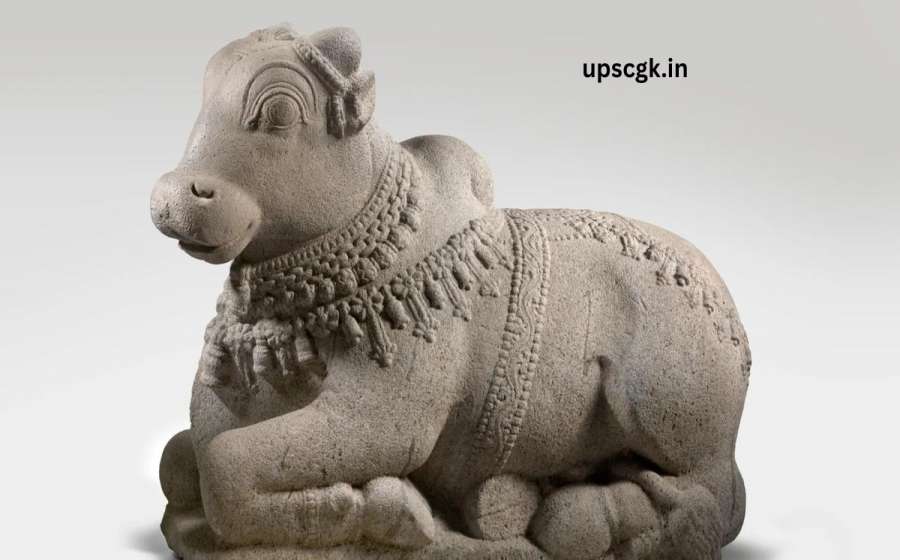
Australia Returns Three Chola Era Antiquities to India, restoring Tamil Nadu temple artifacts through India-Australia cooperation to protect cultural heritage.
Australia Returns Three Chola Era Antiquities to India
In a significant development for the preservation of India’s cultural heritage, Australia announced the repatriation of three priceless antiquities linked to ancient temples in Tamil Nadu on 9–10 July 2026. The return of these sacred artifacts marks another milestone in the global fight against the illegal trafficking of cultural property and highlights the growing cooperation between India and Australia in safeguarding historical treasures.
The returned antiquities include an 11th-century Chola bronze trident of Goddess Bhadrakali, an 11th–12th century granite Nandi idol, and a 12th-century basalt sculpture of the six-headed Karthikeya (Murugan). These artifacts are not only valuable works of art but also hold immense religious and historical significance.
Table of Contents
Three Antiquities Being Returned
Australia has agreed to return the following temple artifacts to India:
1. Chola-Era Bronze Trident of Goddess Bhadrakali
- Dates back to the 11th century.
- Crafted during the glorious Chola period, known for exceptional bronze artistry.
- Represents Goddess Bhadrakali, a fierce form of the Divine Mother worshipped in South India.
2. Granite Nandi Idol
- Believed to belong to the 11th–12th century.
- Nandi, the sacred bull, serves as the vehicle (Vahana) of Lord Shiva.
- Traditionally placed facing the sanctum of Shiva temples.
3. Basalt Sculpture of Six-Headed Karthikeya
- Dates back to the 12th century.
- Depicts Lord Karthikeya (Murugan), one of the most revered deities in Tamil Nadu.
- The six heads symbolize wisdom, courage, strength, knowledge, fame, and divine power.
Temple Origins of the Antiquities
Investigations traced these objects back to important temples in Tamil Nadu.
Sri Kasiviswanathaswamy Temple, Kollumangudi
The following antiquities are believed to have originated from this temple in Thiruvarur district:
- Bronze trident of Goddess Bhadrakali
- Granite Nandi idol
Naganatha Swamy Temple, Manambadi
The basalt sculpture of Karthikeya has been linked to the historic Naganatha Swamy Temple located in Manambadi village of Thanjavur district.
Both temples are associated with South India’s rich tradition of temple architecture, religious worship, and classical sculpture.
Legal Framework Behind the Repatriation
The return of these antiquities has been made possible under the Mutual Legal Assistance Treaty (MLAT) between India and Australia.
The treaty facilitates cooperation between the two countries in:
- Criminal investigations
- Exchange of evidence
- Recovery of stolen cultural property
- Legal assistance in transnational crimes
This demonstrates how international legal cooperation can play a vital role in restoring stolen heritage to its rightful owners.
Investigation by Tamil Nadu Idol Wing CID
A major role in securing the return of these artifacts was played by the Tamil Nadu Idol Wing Criminal Investigation Department (CID).
The specialised police unit:
- Investigated the theft of the idols.
- Collected historical and documentary evidence.
- Traced the movement of the antiquities across international borders.
- Established that the artifacts had been illegally removed from India and trafficked overseas.
The Idol Wing has earned recognition for successfully recovering numerous stolen temple idols from museums, galleries, and private collections across the world.
Provenance Review Strengthened India’s Claim
An independent provenance review conducted by former Australian High Court Justice Susan Crennan AC examined the ownership history of the antiquities.
The review found:
- Significant gaps in the documented ownership records.
- No conclusive evidence proving lawful export from India for two of the antiquities.
- Strong grounds supporting India’s claim that the objects had been illegally removed.
These findings played a crucial role in Australia’s decision to return the artifacts.
Importance of Chola Art and Temple Bronzes
The Chola dynasty (9th–13th century CE) is regarded as one of the greatest periods in Indian history for art, architecture, and metallurgy.
Why Chola Bronzes Are Famous
- Outstanding craftsmanship using the lost-wax casting technique.
- Highly expressive and realistic sculptures.
- Deep religious significance as objects of worship rather than decorative art.
- International recognition as masterpieces of Indian civilization.
The returned bronze trident is an excellent example of this rich artistic legacy.
Cultural Significance of the Returned Antiquities
These objects are far more than museum pieces.
They represent:
- Sacred symbols of Hindu worship.
- Important elements of Tamil Nadu’s living temple traditions.
- Historical evidence of India’s artistic excellence.
- Cultural identity and spiritual heritage preserved over centuries.
Their return restores an important part of India’s civilizational legacy.
India-Australia Cooperation on Cultural Heritage
The repatriation reflects the growing partnership between India and Australia in protecting cultural heritage.
Alongside Australia’s return of the temple antiquities, India has also committed to repatriate the remains of an Australian First Nations ancestor currently preserved at the Government Museum in Chennai.
This reciprocal gesture highlights mutual respect for cultural and ancestral heritage between the two countries.
The returned antiquities had previously been associated with the National Gallery of Australia and the Art Gallery of New South Wales, where they were held before the repatriation process was completed.
Why This Development Matters
The successful return of these antiquities is significant because it:
- Strengthens international cooperation against illegal antiquities trafficking.
- Protects India’s ancient cultural and religious heritage.
- Encourages museums and galleries worldwide to review the provenance of cultural objects.
- Reinforces the importance of legal mechanisms for recovering stolen heritage.
- Promotes ethical stewardship of historical artifacts.
UPSC & Competitive Exam Facts
- Event: Australia announced the return of three antiquities to India.
- Dates: 9–10 July 2026.
- Legal Basis: Mutual Legal Assistance Treaty (MLAT) between India and Australia.
- Returned Objects: Bronze Bhadrakali trident, granite Nandi idol, basalt Karthikeya sculpture.
- Origin: Temples in Thiruvarur and Thanjavur districts of Tamil Nadu.
- Investigating Agency: Tamil Nadu Idol Wing CID.
- Chola Period: 9th–13th century CE.
- Nandi: Sacred bull and vehicle of Lord Shiva.
- Karthikeya: Also known as Murugan, Skanda, and Subrahmanya.
- Significance: Strengthens global efforts to recover stolen cultural heritage.
Summary
Australia’s decision to return three Chola-era antiquities marks an important achievement in the protection of cultural heritage and international legal cooperation. The repatriation restores sacred temple artifacts to their rightful place in India’s historical and spiritual landscape while sending a strong message against the illicit trafficking of antiquities. As nations increasingly collaborate to preserve cultural heritage, such initiatives contribute to safeguarding humanity’s shared history for future generations.
Also Check: Current Affairs